
Restorative Justice (RJ) isn’t a new idea but in the modern day world of criminal justice, few people know about the tremendous impact it is having in different parts of the world. In an era where everyone likes to talk about being tough on crime and locking away or executing the bad guys, RJ is making strides in areas our criminal justice system never could on its own.
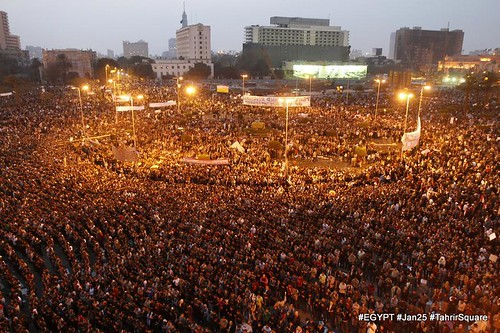
The following podcast is to introduce the concept and practice of restorative justice as it is being used to address crime on a individual as well as mass scale. As we watch citizens of nations throughout North Africa and the Middle East, as well as in the United States, rise up and demand justice, it is more important then ever to examine how to best achieve this justice and address the emotion and trauma that comes with it.
My guests are:
Les Davey – CEO of the International Institute for Restorative Practice UK
Howard Zehr – Professor of Restorative Justice at Eastern Mennonite University’s graduate Center for Justice and Peacebuilding and is the editor of The Little Books of Justice and Peacemaking series.

 An alarming number of women are dying non-combat deaths in the US military. When families try to find out why, they are prevented from getting that information. The US military doesn’t want to explain the details of how and why many of their female soldiers have died. In some cases they won’t even release the bodies or body parts to grieving loved ones.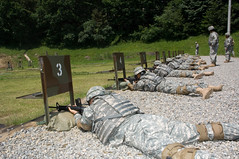
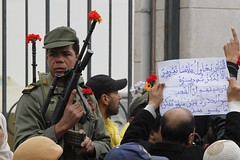 Just over two weeks ago much of the attention in the international press was focused on Tunisia, again, understandable considering the powerful and historically breathtaking images from the streets of Tunis. The departure of the president/dictator was a great victory for anyone who favors an open and democratic Tunisia. The event is hailed as the inspiration of Egypt and possibly a growing list of nations where iron fisted rulers are suddenly scared of what fate may await them.