In a few hours I head to Brussels where I’m participating, for the second year in a row, in European Youth Media Days.? This year I’m helping coordinate and speaking as part of a workshop on Food Prices and the Media.
 In preperation for this event I’ve been stepping up my own research into the global food production system over the past 100 years and the current breakdown it is experiencing.? Although the conference is Europe focused, I’m finding alot of useful and I would argue, applicable examples and analysis from North American news sources.
My hope is that one thing young journalists at this event will think more about is what lay behind the story of food prices. I have no interest in the typical commercial media exercise of finding a person-on-the-street and asking how they feel about prices. A more useful exercise would be to look at who benefits from increased food prices, and even before that, how was the global agricultural system organized that it could fall so hard, so fast.? From there the connections should be made to climate change, CO2 emissions, the lack of emphasis over the last decades on growing local and crop diversity. All these things happened for a reason, and if we’re to solve this problem as a society, we need journalists to do more than just point to the price tags and stick a microphone in front of consumers.
 There is this long tradition in the United States that during presidential elections, candidates constantly play the patriotic card and use
  Among my favorite of his statements is when he is speaking about the US political culture and the current presidential race, he mentions the tendancy for some candidates to say “We’ve had enough talk, we need action” to which Zizek? something like NO. Now more than EVER, WE NEED TALK. TALKING is essential before we take significant action.
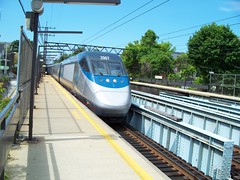 Almost 20 years later more and more people in the US realize this outlook is what has no future, and railroads are needed now more than ever.? The problem is when they look to those old lines, they find they’re unusable or, in many cases, they’ve been removed and replaced with condo’s and parking lots. Occasionally they’ve managed to salvage an old line.