I often listen to stories of other people’s visits to Cairo, Egypt.? A place famous for so many things, what always strikes me about how people describe Cairo, is the huge clash between traditional and modern, or what some would call, East and West. Naturally I’d like to learn more and go see it for myself one day soon.? But until then, the world of podcasting and radio provides me with lots of second hand experiences I can live through.
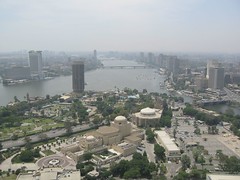 The latest comes from Australia’s ABC radio national, the program background briefing, which last week put out a show about Cairo and the modern versus the old fashioned and all the problems it has brought the city.? Highly recommended listening, I felt the journalist did a great job. Moreover I listen to this show and I think to myself, I’d like to be funded and be able to do similar; bringing my audience with me as I explore and look into the changes a place is undergoing.? Perhaps with my upcoming trip to Istanbul, I can do a little bit of this.
Bonus, follow the link to the Background Briefing post, they included great photos and video. Again, I’d love to do similar.
 I found myself towards the back of the crowd, almost unable to see the gravedigger doing his work and the people laying down Revolutionary-Red carnations.
 In this particular interview he does a great job of explaining how Kennedy thought about things and made decisions, and how Obama might also do similar.? The main thing he says Kennedy would do, and I must say- what I would call one of the most lacking and necessary characteristics of ANY reprepresentative or world leader, Kennedy was very interested in considering how others thought and how others might think he thinks.? Might seem like a simple thing, but as Blight explains, if we understood or at least tried more to consider how and why other world leaders think, and how they think we think, we’d be much better at communicating with them.