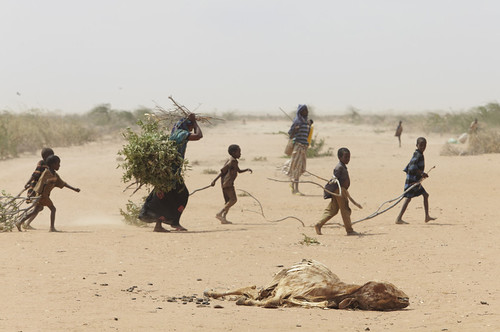
There is a force referred to as development that has arrived in Northern Kenya. It brings highways, wind farms, pipelines, cables, standardized education, and new towns where the government wants people to live and work. What it also brings is pollution, inequality, disappearing cultures and languages, an end to nomadic lifestyles that have existed for hundreds of years. While all this is happening, extreme weather has also arrived, taking people who have long known how to live in balance with the environment and thrusting them into the uncertainty and destruction climate change leaves in its wake.
Amidst all this struggle there is also hope. Communities have become aware of what development can do to them. They have become concious of the need to preserve knowledge and restore culture. And this is all being done not in isolation, but through sharing of experiences and strategies with communities facing the same circumstances throughout the continent and the world.
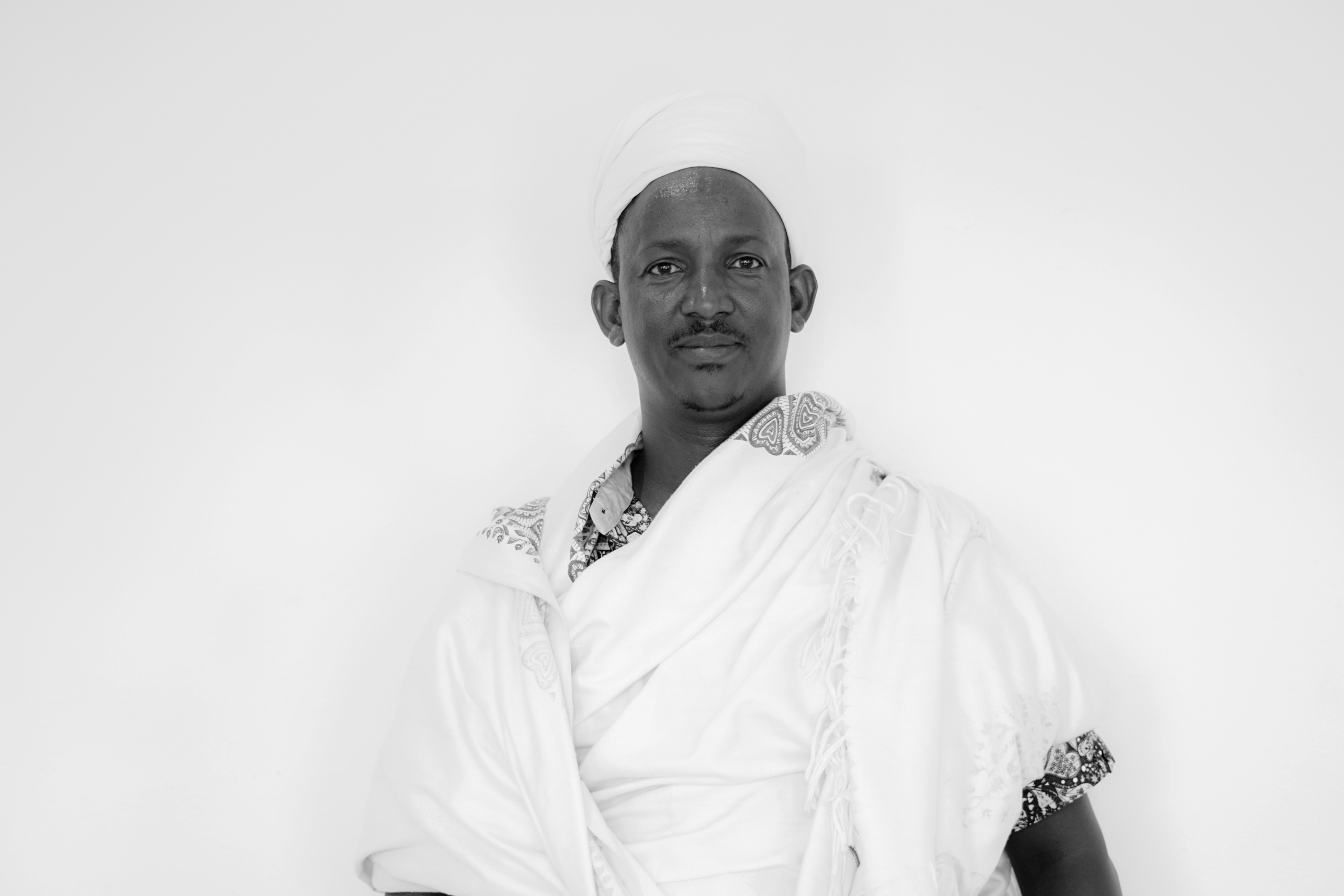
My guest today, Jillo Katelo of the Kivulini Trust, speaks of a childhood where there was balance and joy in his community. Only to be replaced nowadays by an erosion of that way of life as it increasingly under attack in the name of development and so-called economic progress. But the story doesn’t end here, listen in as Jillo talks about his home, how it is changed, and what he is doing empower communities and challenge the modern-day religion that places profit margins above humanity.
Links:
 This is the chorus of the song I’m listening to as I read the news from around the world. The lyrics of the great Somali hip-hop artist who immigrated to Canada and is dedicated to performing songs about his hometown, Mogadishu, and the reality he grew up in and the experience of immigrating with his mother, to Canada, leaving behind a country falling into an ever more violent abyss.? I’m listening to K’Naan sing these lines: